 Pin
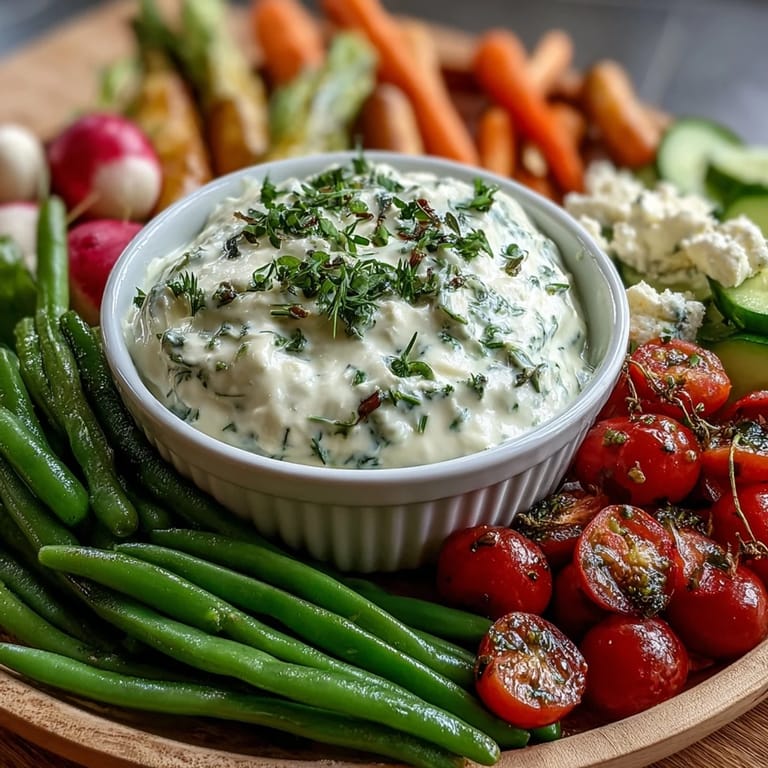
Pin Last spring, I was hosting a small gathering on my patio, and the farmers market had just exploded with the most gorgeous bunch of radishes I'd seen all year. Their pink and white skin was practically glowing, and something clicked—instead of the usual charcuterie board everyone expects, I wanted to build something that tasted like the season itself. That afternoon, I discovered that the simplest platters are often the ones people remember most, especially when you pair crisp vegetables with a dip so good it disappears before anything else on the table.
I'll never forget watching my friend Sarah reach past the crackers entirely, dipping three radishes in a row into that herb mixture with an expression of genuine surprise. She'd been skeptical about radishes at first—most people are—but something about the contrast between their peppery crunch and the cool, herbaceous dip just won her over. That moment made me realize this board isn't fancy or complicated; it just understands what spring actually tastes like.
Ingredients
- Breakfast radishes: These smaller, sweeter varieties are gentler than storage radishes and have that delicate pink hue that makes the board visually stunning; halving them shows off their natural beauty.
- Sugar snap peas: Keep these completely raw for their snappy texture and natural sweetness—cooking them defeats the entire purpose.
- Fresh peas: If using fresh, blanch them quickly in boiling salted water and plunge into ice water to set their color; frozen peas can go straight onto the board without any fuss.
- Baby carrots: Their natural sweetness pairs beautifully with the herbaceous dip, and peeling them fresh makes all the difference in flavor.
- Cherry tomatoes: Halving them exposes their juicy centers and prevents them from rolling around the board like tiny escapees.
- Cucumber: Slice fresh and pat dry with paper towels to prevent the board from becoming watery after sitting.
- Greek yogurt: This is your dip's foundation—it creates a lighter, tangier base than sour cream while keeping everything bright and fresh-tasting.
- Mayonnaise: Just two tablespoons adds richness without making the dip feel heavy or overpowering the fresh herbs.
- Fresh lemon juice: This keeps the dip from tasting flat and adds a subtle brightness that ties all the vegetables together.
- Fresh herbs: Chives, parsley, and dill are non-negotiable here—dried herbs will make your dip taste like a sad seventies casserole instead of spring itself.
- Garlic: One small clove, minced fine, adds depth without shouting; resist the urge to add more or the dip becomes aggressively garlicky.
Tired of Takeout? 🥡
Get 10 meals you can make faster than delivery arrives. Seriously.
One email. No spam. Unsubscribe anytime.
Instructions
- Wash and prep your vegetables:
- Run everything under cool water and pat dry—moisture is your enemy on a board that sits for more than fifteen minutes. Work methodically, trimming radishes and snap peas as you go, and arrange each component onto your platter as you finish it.
- Make the herb dip:
- Combine yogurt, mayo, and lemon juice in a bowl, then fold in your herbs and minced garlic with a few gentle strokes of the spoon. Taste and adjust salt and pepper—the dip should taste bright and herbal, not bland or heavy.
- Assemble your board:
- Think of negative space and color contrast as you arrange; cluster similar vegetables together rather than spreading everything thin and sparse. Place the dip bowl slightly off-center, creating natural visual flow.
- Finish and serve:
- Add microgreens and feta if using them, scatter crackers or bread around the edges, and bring the whole thing to the table immediately. A board that sits around loses its crispness and appeal within thirty minutes.
 Pin
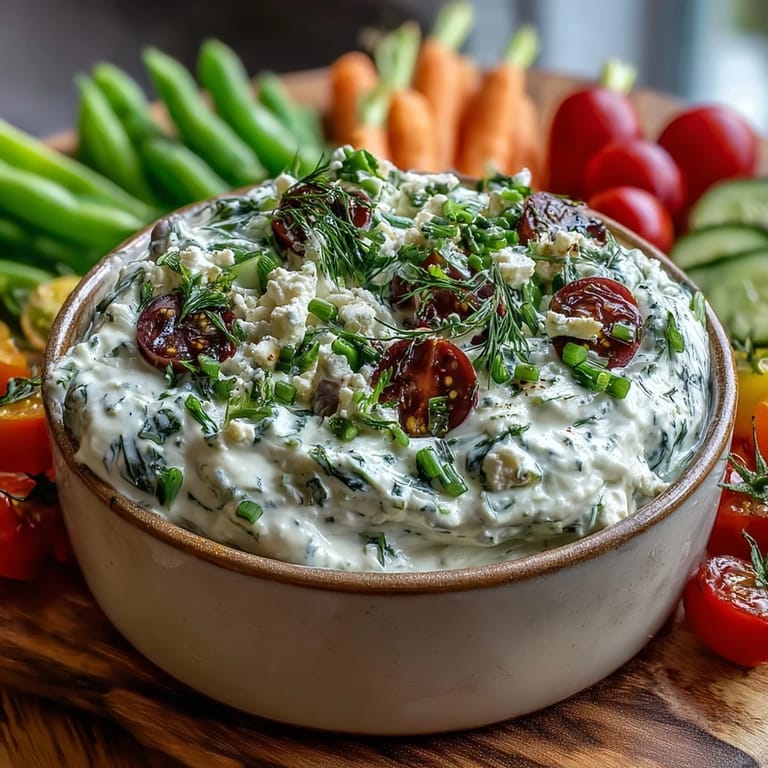
Pin There's something about a fresh vegetable board that makes people slow down and actually taste their food instead of just grabbing and eating mindlessly. My mom came to that same patio gathering and spent a solid ten minutes moving between different vegetables and the dip, really savoring each combination, which felt like a small win for slowing down in our rushed world.
Why Spring Vegetables Matter
Spring vegetables are fundamentally different from their fall and winter cousins—they're tender, delicate, and at their absolute peak of flavor for just a few weeks. Radishes in spring have a gentle peppery bite that rounds out throughout the season, becoming sharper and hotter by early summer when the soil warms up. Building this board in late April or May means you're catching vegetables at their sweetest, crunchiest, most forgiving moment, which is why the contrast with that creamy dip feels so perfect and effortless.
The Dip Philosophy
I used to think herb dips needed to be complicated, loaded with obscure ingredients and techniques, until I realized that restraint is actually the secret. The dip works because it's built on a creamy base that lets fresh herbs shine without competing voices—every component serves a purpose and nothing fights for attention. This is the kind of recipe where your ingredient quality matters more than your skill level; if your herbs are vibrant and your yogurt is good, you're already most of the way there.
Serving and Storage Strategies
Timing is everything with a vegetable board—ideally you're assembling it no more than an hour before people arrive, and the dip can actually be made a full day ahead, which is its secret advantage over so many other appetizers. If you're making this for a longer event or afternoon gathering, keep the board in a cool spot and refresh it halfway through by adding fresh garnishes and adjusting any vegetables that have started to soften. The crackers or bread should go on the board just before serving, not earlier, because nothing deflates faster than crackers that have absorbed humidity from fresh vegetables.
- Make the dip the night before and let the flavors meld overnight in the refrigerator.
- Cut vegetables as close to serving time as possible, storing them separately in containers if needed.
- If assembling ahead, cover the board loosely with plastic wrap and keep it in the coolest part of your kitchen or a side-by-side refrigerator.
 Pin
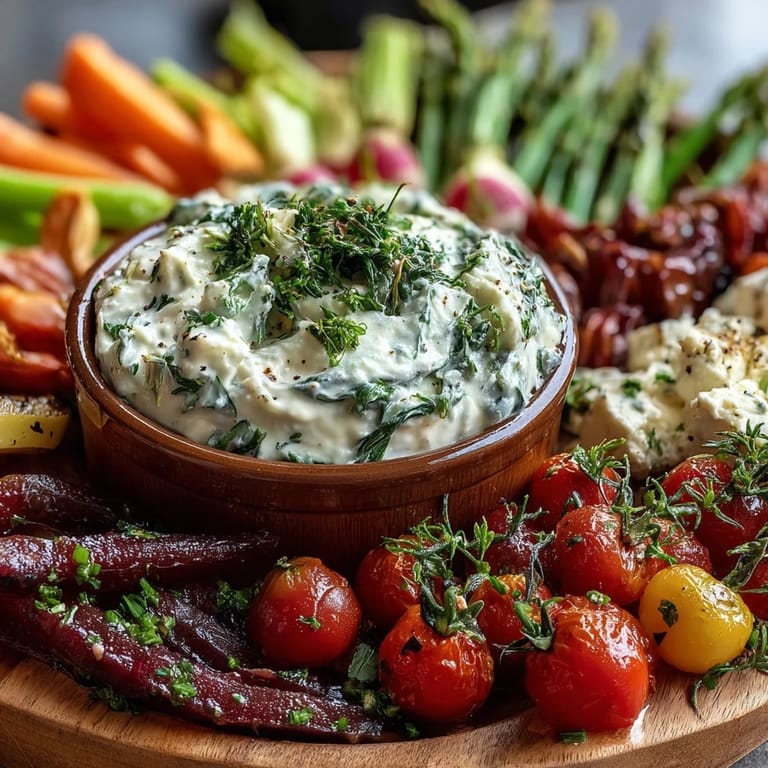
Pin This board taught me that sometimes the most impressive thing you can serve is also the simplest—vegetables that taste like themselves, a dip that knows exactly what it is, and enough time carved out to actually sit with the people you care about. That's really all spring cooking asks of us.
Recipe FAQ
- → Can I prepare the dip ahead of time?
Yes, the herb dip can be made up to two days in advance and stored in the refrigerator to develop flavors.
- → Are there vegan alternatives for the dip?
Absolutely, substituting Greek yogurt with plant-based yogurt creates a vegan-friendly herb dip option.
- → What vegetables can be added for variety?
Seasonal vegetables like asparagus tips, blanched green beans, or sliced bell peppers are great additions to the board.
- → How should the vegetables be prepared for serving?
Wash, trim, and cut vegetables as desired, then arrange them attractively on a large serving board or platter.
- → Can I serve the board with bread or crackers?
Yes, assorted crackers or sliced baguette pair nicely and can be added as accompaniments if desired.